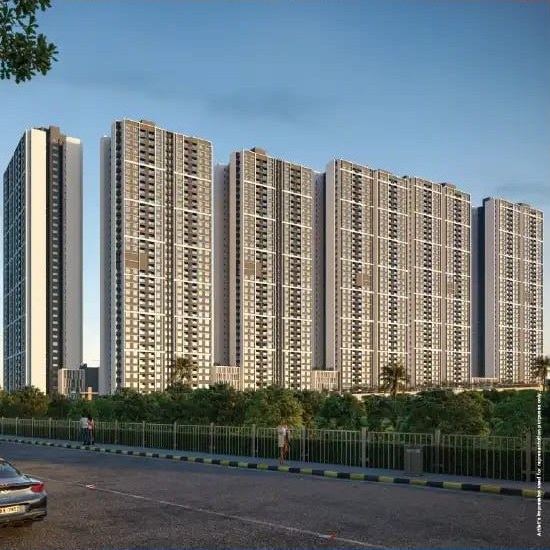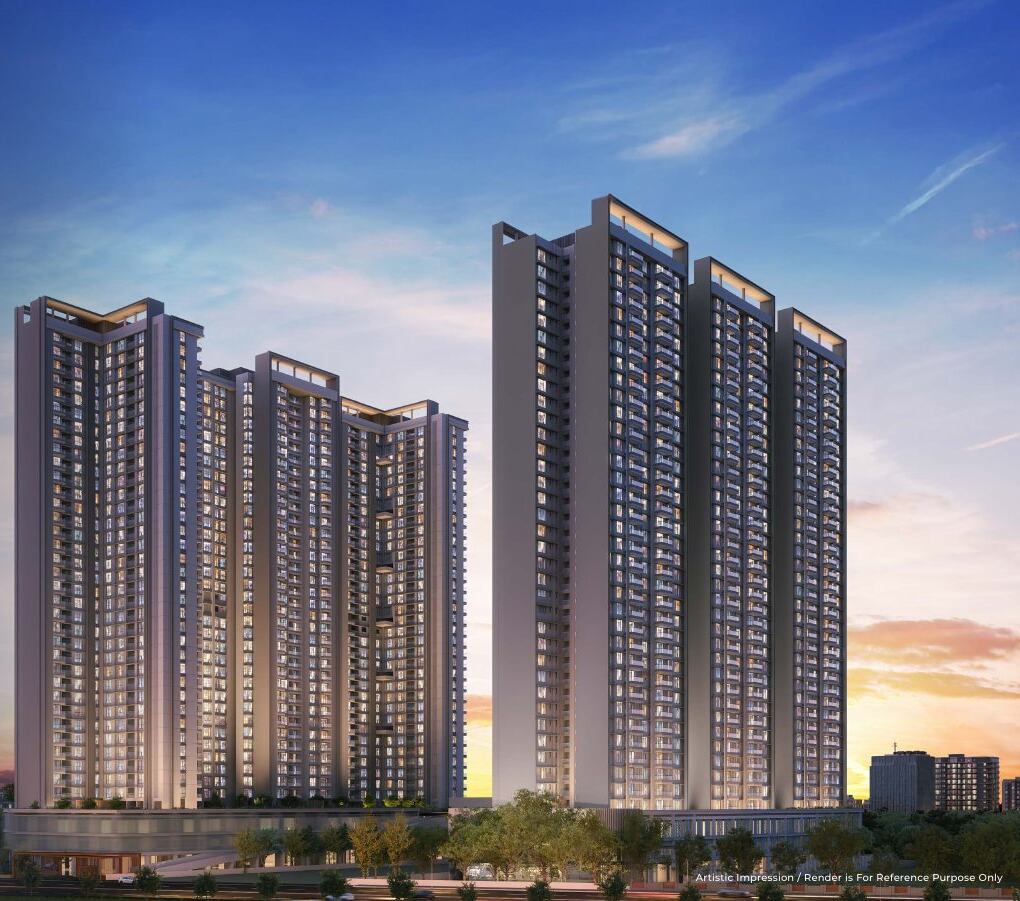
- Four Kharadi projects we track publish a developer target that is earlier than their MahaRERA completion date. The gap ranges from 4 months (Purple Park Eden) to 32 months (Godrej Ivara).
- The MahaRERA date is the one the developer has declared to the regulator. The date in your agreement for sale is the one your delay rights hang on.
- If possession is late against the agreement, Section 18 of RERA lets you either withdraw with a refund and interest, or stay and receive interest for every month of delay. In Maharashtra that interest is set at SBI’s highest MCLR plus 2%.
- Plan your rent, pre-EMI and move around the MahaRERA date. Treat the earlier target as a pleasant surprise if it happens.
A buyer looking at Godrej Ivara in Kharadi this year could be told two things on the same day. The sales team’s target for possession is December 2029. The MahaRERA registration says August 2032.
That is not a typo, and it is not unusual. Most of the under-construction projects we track in Kharadi carry two dates, and the gap between them changes how much rent you pay, how long you service pre-EMI interest, and what you can claim if things go wrong.
Two dates, two different promises
When a developer registers a project with MahaRERA, the RERA Act requires it to declare the time within which it undertakes to complete the project. That is the completion date you see on the MahaRERA portal. It is filed with the regulator, it is public, and the developer has to explain itself if it misses it.
The target date is something else. It is what the developer expects or hopes to achieve, and it usually appears in sales conversations, brochures and listings. Developers have a reason to keep the registered date generous: a later legal date gives them room for approvals, labour shortages and monsoons without triggering penalties. Buyers have a reason to prefer the earlier date, because it is the one that makes the numbers work.
Neither is dishonest on its face. The problem starts when a buyer plans around the earlier one.
How big the gap is in Kharadi
Four projects we have checked publish both a developer target and a MahaRERA date. The open circle is the target, the solid one is the registered date.
| Project | Developer target | MahaRERA date | Gap |
|---|---|---|---|
| Godrej Ivara | Dec 2029 | Aug 2032 | 32 months |
| Mahindra Ivy Lush | Dec 2028 | Aug 2030 | 20 months |
| Lodha Camelot | Dec 2027 | May 2028 | 5 months |
| Purple Park Eden | Jun 2030 | Oct 2030 | 4 months |
A gap of four or five months is ordinary padding. A gap of nearly three years, as at Godrej Ivara, is a different conversation. It may reflect a phased plan for a large eleven-tower project, or simply a cautious filing. Either way, it is the developer telling the regulator that it is not committing to 2029.
For Mahindra Ivy Lush, the twenty-month gap also matters because the project has three registrations. The later registration may carry its own timeline, so ask which one covers the tower you are offered.
When there is only one date, ask where it came from
Not every project shows two dates, and a single date is not always a MahaRERA date.
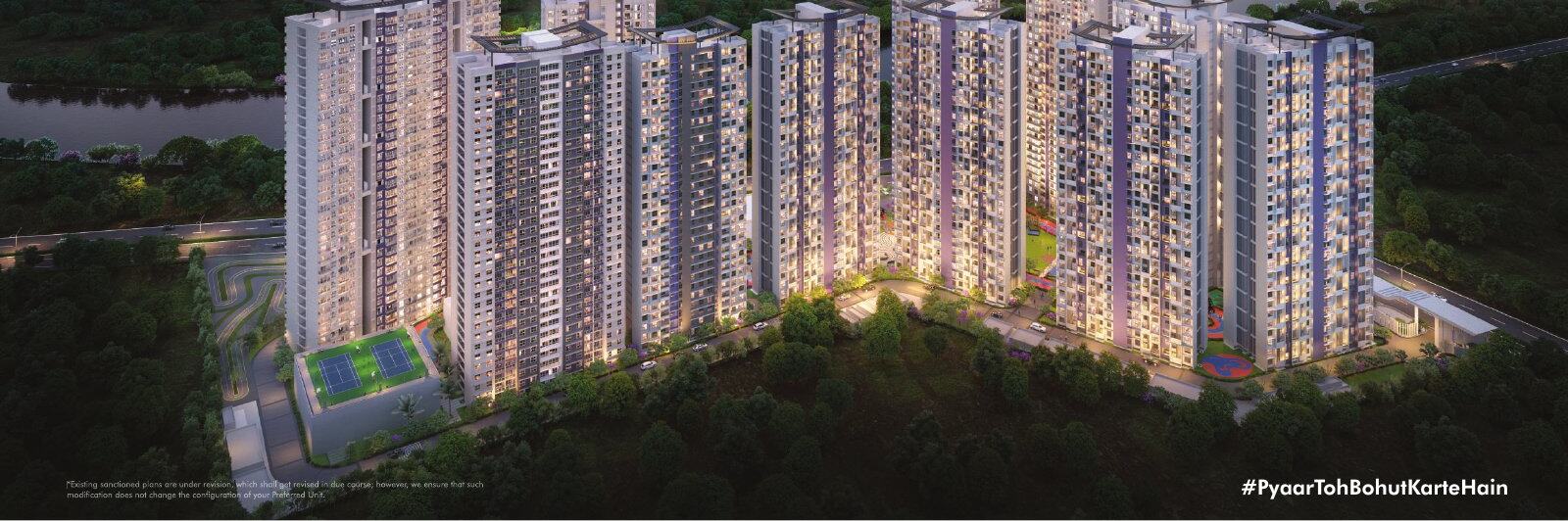
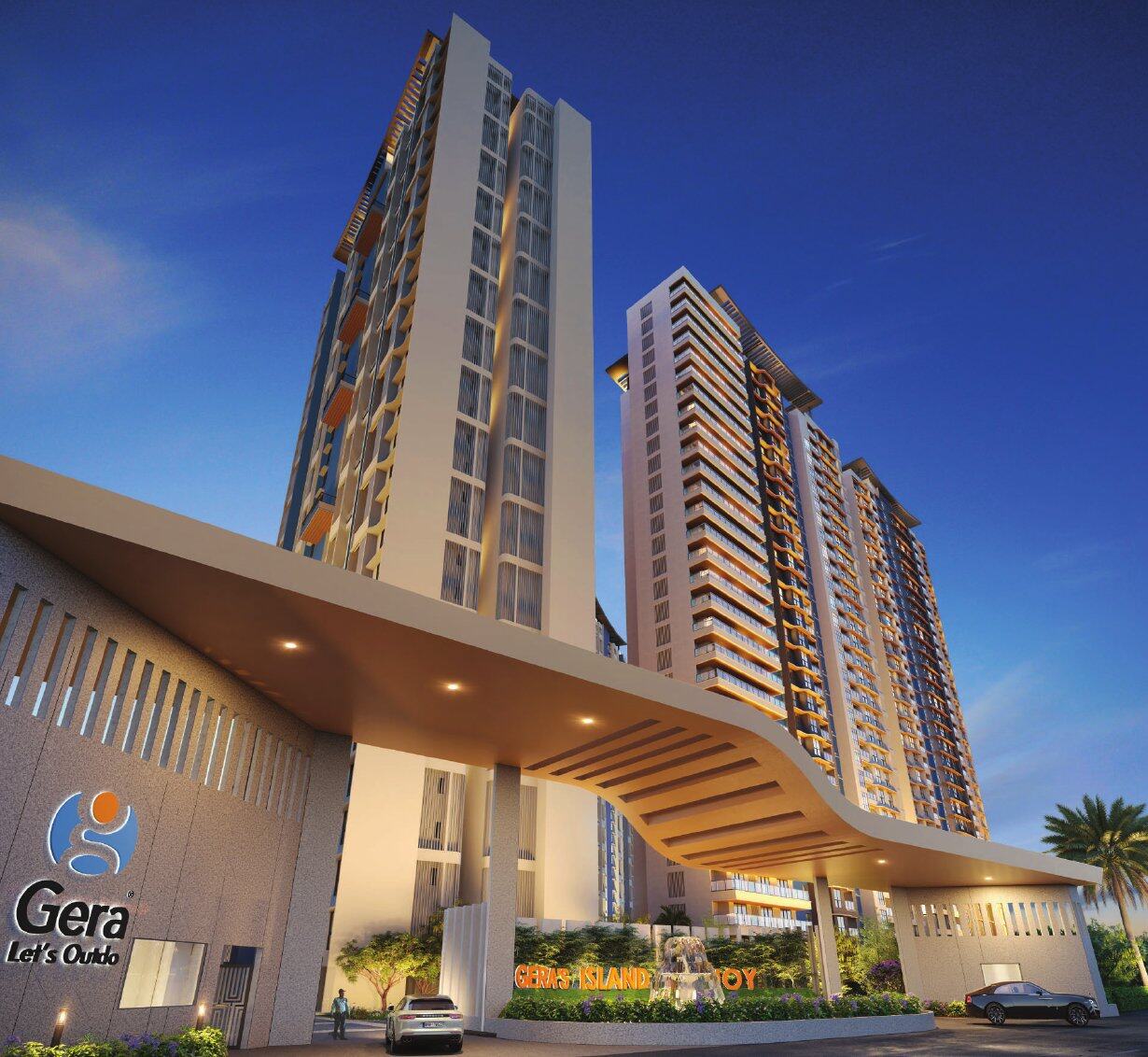
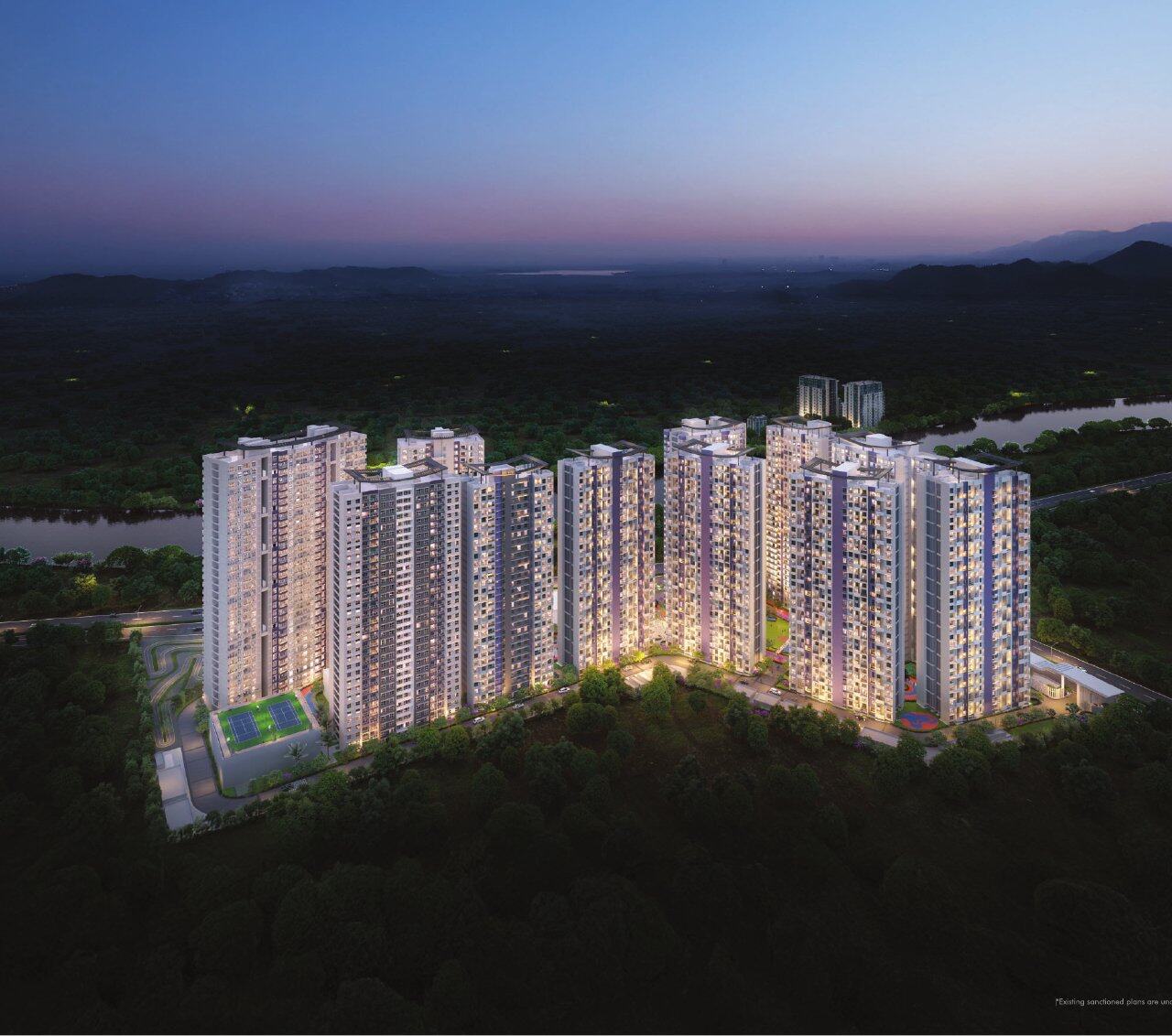
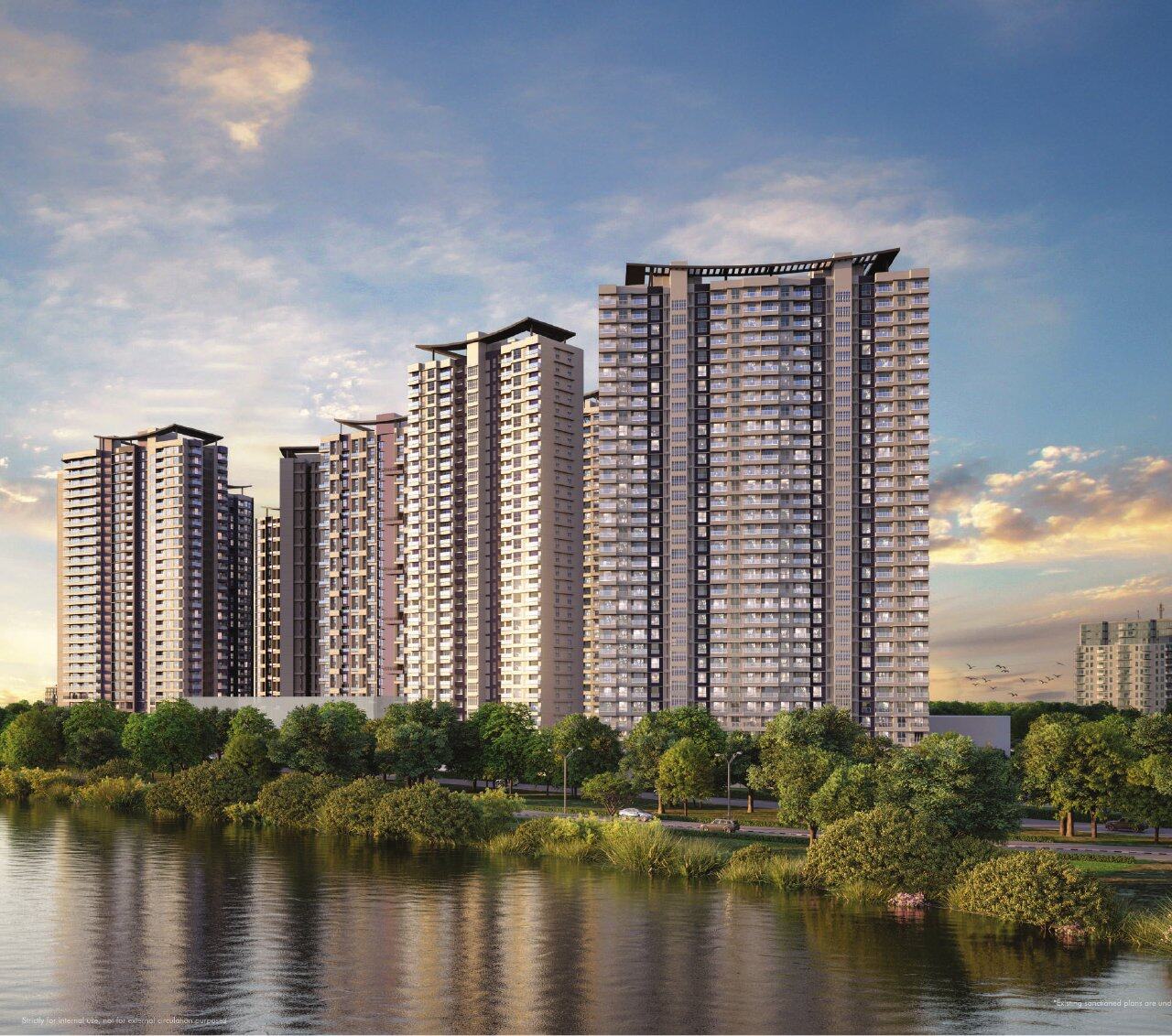
- Gera’s Island of Joy shows January 2029 for Tower 6 (Project C). That date comes from the developer’s own cost sheet. The project has three registrations, one per phase, each with its own date.
- Gera’s Avive Towers shows September 2030, which comes from a property listing. Its MahaRERA record is still under the earlier name, Gera’s Garden in the Sky, Phase I, so search by the registration number rather than the name.
- Kolte Patil Equa shows December 2026 for its first phase on MahaRERA, but one listing gives June 2028 for the newer wings. If you are offered a home in a later wing, the 2026 date does not apply to you.
The rule is the same in every case. A date is only useful once you know whose date it is and which building it covers.
What RERA lets you claim if possession is late
Section 18 of the RERA Act is the part that gives a possession date its teeth. If the developer fails to complete the project or hand over your home by the date in your agreement for sale, you have two choices:
- Withdraw. You can cancel and get back what you paid, with interest, plus compensation under the Act.
- Stay. You keep the home and the developer pays you interest for every month of delay until it hands over possession.
In Maharashtra the interest rate is set by the state’s RERA rules at the State Bank of India’s highest marginal cost of lending rate plus 2%. MahaRERA orders apply this routinely. The exact rate moves with SBI’s lending rate, so check the current figure when you calculate a claim.
Notice what the protection is tied to: the date in the agreement. In most Maharashtra agreements this matches the MahaRERA completion date for your building, but not always. Read the possession clause before you sign, and if a sales team promises an earlier date, ask them to put it in the agreement. If they will not, you have learned how much weight to give it.
One more thing to look for on the portal: extensions. A developer can apply to MahaRERA to extend a project’s registration. The portal will then show a later date and a history of the change. An extension does not automatically rewrite your agreement, but it tells you the project is running late. Our guide to checking a project on MahaRERA shows where to find it.
What the gap costs you
Suppose you pay ₹30,000 a month in rent today and you are choosing between two homes. One is expected in December 2028 and registered for August 2030. If you plan on the target and the developer delivers on the registered date, you pay about ₹6 L in extra rent (20 months × ₹30,000) that was not in your budget.
That is before pre-EMI. Under a construction-linked plan, the bank releases your loan in stages and you pay interest on what has been released. The longer construction runs, the longer you pay interest without a home to live in. A short gap barely moves this. A gap of two or three years can.
None of this means a project with a large gap is a bad buy. It means you should do the maths with the later date. If the purchase still makes sense, any earlier handover is a bonus.
If you have already booked on the earlier date
Plenty of buyers only notice the second date after they have paid the booking amount. If that is you, there is no need to panic, but there are three things worth doing this month.
First, find the possession clause in your agreement for sale, or in the draft if you have not registered yet. Note the date it gives and any grace period. That date, not the brochure, is what your rights under the Act are measured against.
Second, look up your tower’s registration on MahaRERA and save a copy of the record with today’s date. If the developer later extends the registration, you will want to show what it said when you booked.
Third, redo your household budget using the later date. Count the extra months of rent, the pre-EMI interest on what the bank has released, and any lock-in on your current lease. If the sums still work, you are fine. If they do not, it is far easier to talk to your lender or the developer now than in the month the target date slips.
Keep the developer’s construction updates, emails and any written promise about an earlier handover. If the agreement date passes, these are what MahaRERA will ask to see.
Questions to ask before you book
- Which MahaRERA registration covers my tower, and what is its completion date?
- Has the registration been extended before? If so, why?
- What possession date will the agreement for sale contain?
- Is there a grace period in the agreement, and how long is it?
- What is the latest quarterly progress update on MahaRERA, and does it match what I can see on site?
We publish every project’s possession date with its source on the projects page, and you can line them up side by side on the compare page. If you are weighing two projects with different timelines, our EMI calculator helps you see what the waiting years cost.
Sources
- Real Estate (Regulation and Development) Act, 2016: sections 4, 6 and 18 (Ministry of Housing and Urban Affairs)
- Maharashtra Real Estate (Regulation and Development) Rules, 2017, rule 18 on the rate of interest
- MahaRERA public project search, checked October and November 2026
- Housiey listings for Godrej Ivara, Lodha Camelot, Purple Park Eden, Mahindra Ivy Lush and Gera’s Avive Towers, checked 30 October 2026
- Gera’s Island of Joy cost sheet, October 2026
Figures were checked on the dates given in the sources. Prices, offers and possession dates change: confirm them with the developer and on MahaRERA before you pay anything.